Phil Wylie

WordPress developer, Code Club volunteer & Staffs Web Meetup organiser

A skewed perception of value

WordPress makes it easy to put a website together but it doesn’t necessarily make web development easy.

For many, WordPress works out-of-the-box and with the vast ecosystem of both free and low-cost plugins, beginners can patch together a reasonable website packing serious functionality within a short space of time, with minimal upfront cost.

The mission of the open source WordPress project is to democratise publishing and of course, in many ways it has achieved this goal. However, the simplicity and low barrier to entry hide the true cost of web development.

Mario Peshev wrote about value a while back after receiving an enquiry. The client outlined their requirements, to alter a plugin to include their bespoke functionality. The client laid out their expectations, “the plugin costs $25 so I estimate the change would probably cost around $15”. It’s clear this client undervalued the work involved in custom development.

WordPress is a great tool to get a project going quickly. It’s fairly rewarding to work with. A lot can achieved out-of-the-box and you can end up feeling that anything is possible! However, once you stray outside the basics of strapping a theme together with a few plugins and need something custom, that’s when you realise web development is complex and WordPress is no different.
WordCamp London 2015

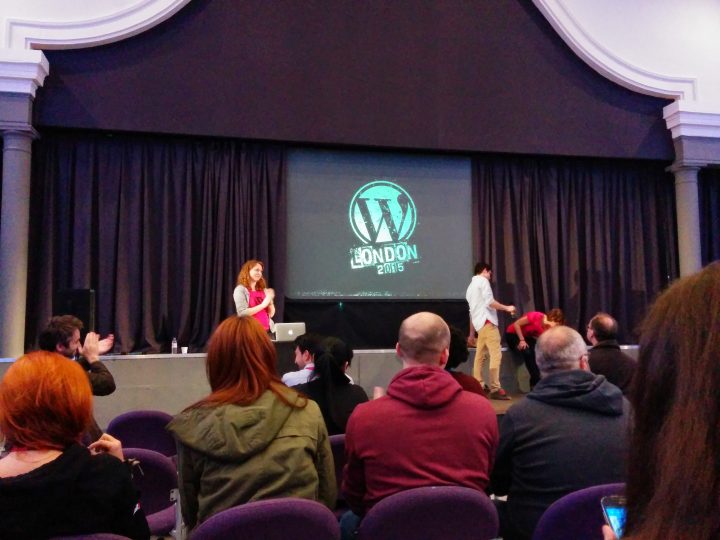
Our team headed down to London last weekend for WordCamp London 2015. A three day event split between a contributor day on Friday, followed by a two day conference covering a diverse range of WordPress topics.

Optimise your website for better search placement with WordPress SEO by Yoast

The aim of SEO (Search Engine Optimisation) is to boost your websites position in search engine result pages. Coming up before the competition increases the chance of a visitor choosing you over a competitor. Directly effecting how many people get the opportunity to complete your sites chosen conversion goal, such as making a sale.

The amount of code is far far less, hence its name!

This is a post written for the iWeb blog battling the misconception that Less is “just another thing invented to make something that was once simple more complex… technical developers like to attempt to solve problems that don’t really exist”. The post looks at why CSS preprocessors are useful and includes a quick write-up of an interesting project John Cotton presented at WordCamp Lancaster UK 2013.

CSS (Cascading Style Sheets) is the language used to define the layout of web pages. The language is fairly simple, you target an element using a selector and then define how it should look with the available properties. It’s an approachable language which has it’s advantages in terms of opening up the web to those without a background in computer science…

The amount of code is far far less, hence its name!

Newer Posts
Older Posts